
ABOUT CIBJO




THE WORLD JEWELLERY CONFEDERATION (CIBJO)
The World Jewellery Confederation, or CIBJO, is the primary international jewellery, gemstones and precious metals association, representing the interests of all individuals, organisations and companies across mining, processing, manufacturing and trade. It is the oldest such organisation, established in 1926.
The Confederation covers the entire jewellery, gemstone and precious metals sectors – vertically, from mine to marketplace, and horizontally within each component. Its members are representative associations or commercial bodies from more than 45 countries, including leading corporations and service providers.
CIBJO is the only organisation in the international diamond, gemstone and jewellery sectors to have consultative status with the UN Economic and Social Council (ECOSOC). It advances UN programmes and goals within the industry and is committed to the UN Global Compact and the Sustainable Development Goals.
MISSION
CIBJO focuses on issues that concern the industry worldwide, primarily the protection of consumer confidence. It promotes and enables harmonisation and regulation of technical standards, terminology, operating principles, and practices related to sustainability, responsible sourcing and transparent supply chains.
Functioning as a centre of knowledge and education, the Confederation pursues its objectives through collaborative debate and discussion, research, learning and communication.
To advance universally harmonised standards and terminology, the Confederation maintains its Blue Book system and produces other guidance documents.
CIBJO develops and supports responsible sourcing and sustainability programmes that address threats to the integrity of gemstones, precious metals and finished jewellery.
STRUCTURE
CIBJO is organised according to sectors: Sector A (Gem Materials, Trade and Laboratories), Sector B (Jewellery Distribution), Sector C (Jewellery Manufacturing/Technology/Precious Metals).
Official bodies include the General Assembly of Delegates; the 30-person Board of Directors; the Executive Committee; the President's Council; the Internal Finance and Audit Committee; the External Auditor; and the Secretariat and Administration.
The General Assembly elects the Officers (President, Vice Presidents and Treasurer), the Board of Directors, the External Auditor, and approves changes to the Statutes and By-Laws.
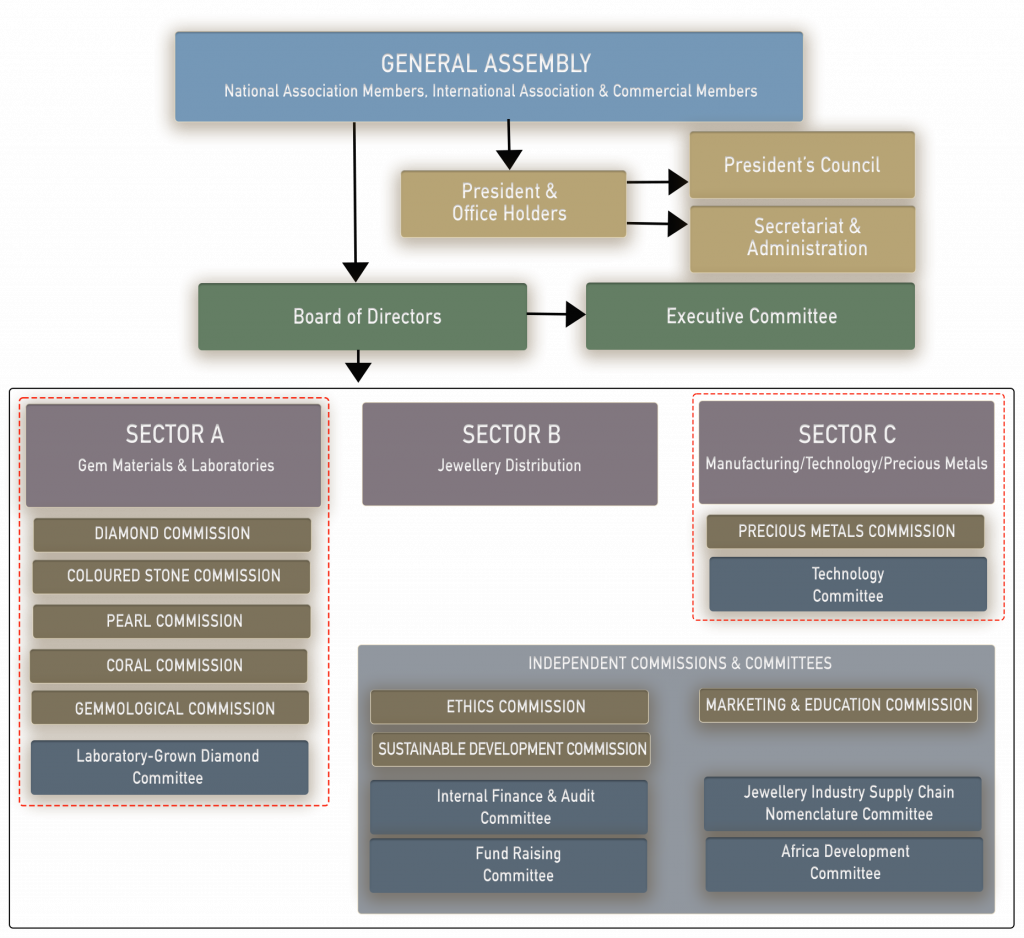
Active commissions include the Diamond, Coloured Stone, Pearl, Gemmological, Marketing & Education, Precious Metals, Ethics, Coral, and Sustainable Development Commissions.
Committees include the Technology Committee, Laboratory-Grown Diamond Committee and the Responsible Sourcing Nomenclature Committee. All bodies gather at the annual CIBJO Congress, hosted each year in a different country.
ADMINISTRATION
Official bodies include the General Assembly of Delegates; the 30-person Board of Directors; the Executive Committee; the President's Council; the Internal Finance and Audit Committee; the External Auditor; and the Secretariat and Administration.
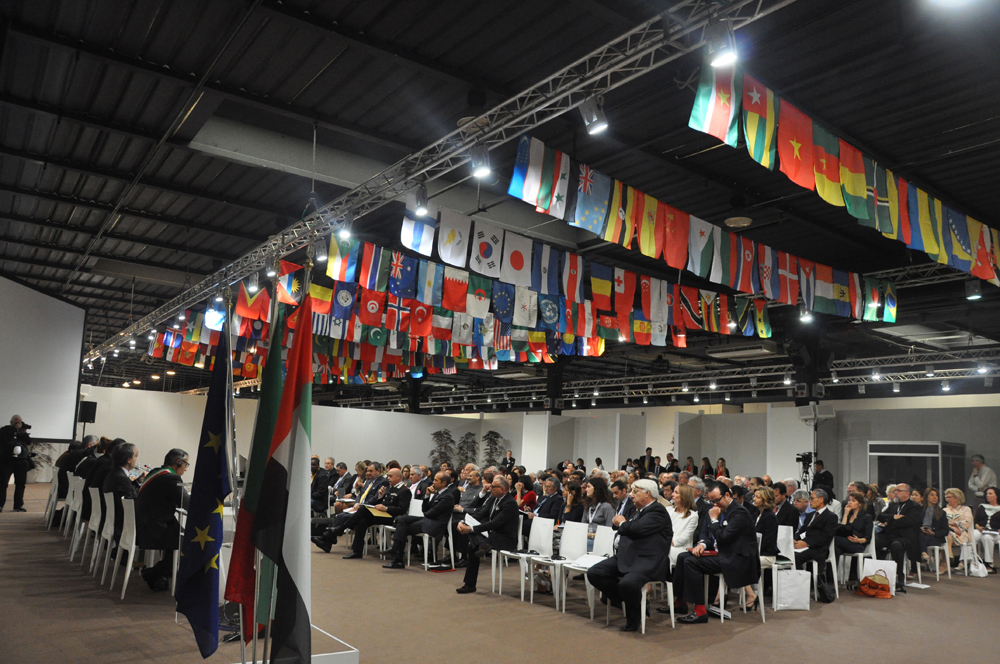
The World Jewellery Confederation's General Assembly in session at the 2012 CIBJO Congress in Vicenza, Italy.
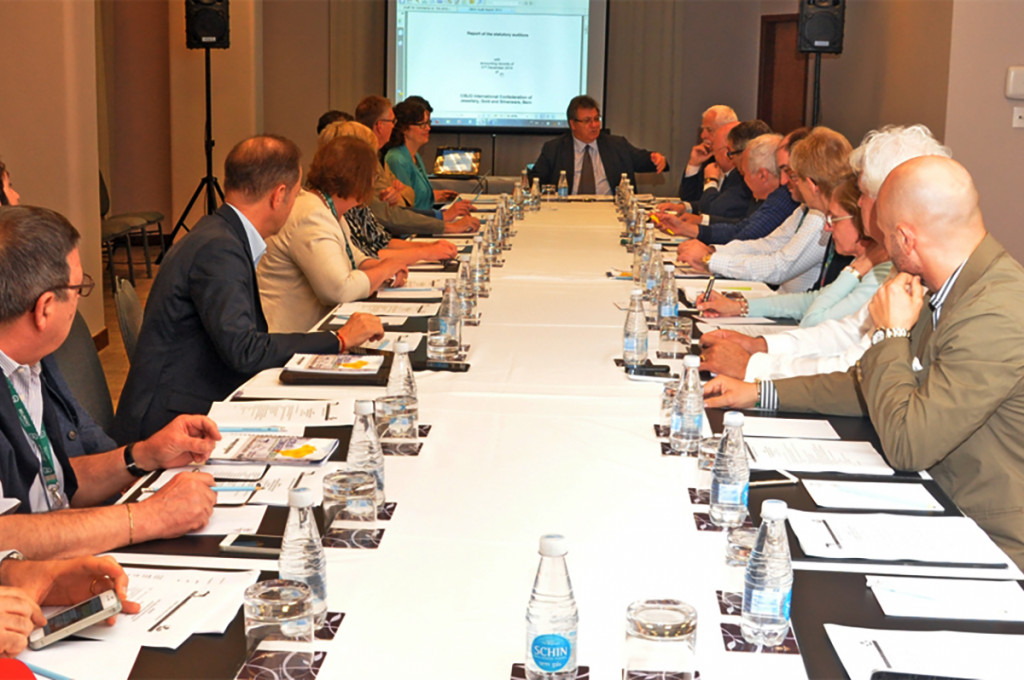
A meeting of the Board of Directors at the 2015 CIBJO Congress in Salvador da Bahia, Brazil.
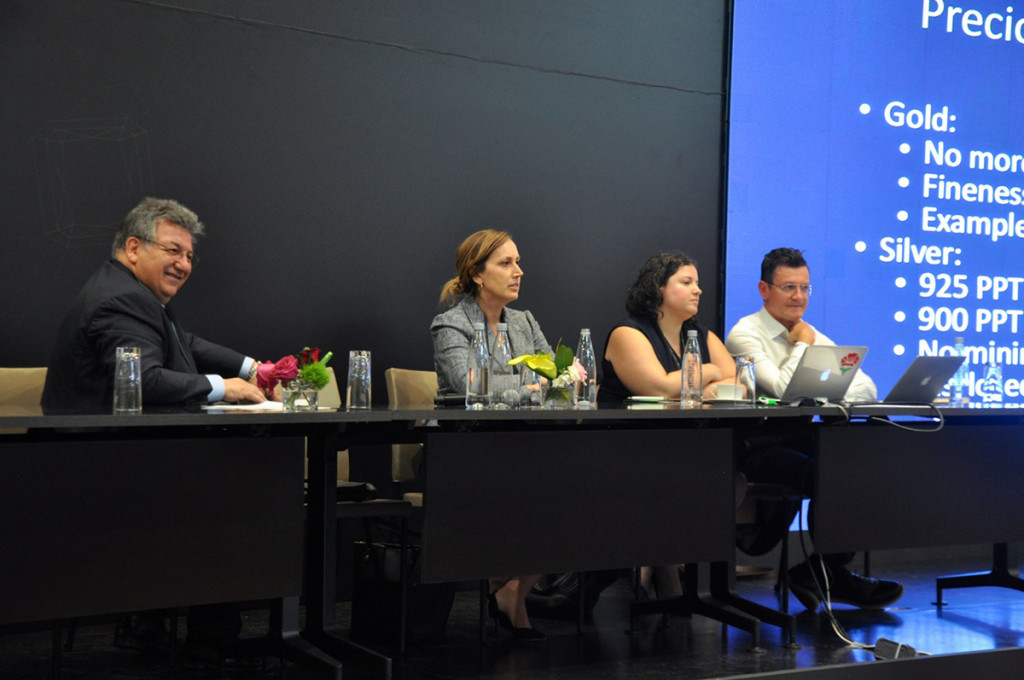
The Precious Metals Commission deliberates at the 2018 CIBJO Congress in Bogotá, Colombia.

MILESTONES
1926
CIBJO is founded in Paris in 1926 as BIBOA, representing the interests of the jewellery trade in Europe.
1961
Restructured as CIBJO, now a global association accepting members from around the world.
2006
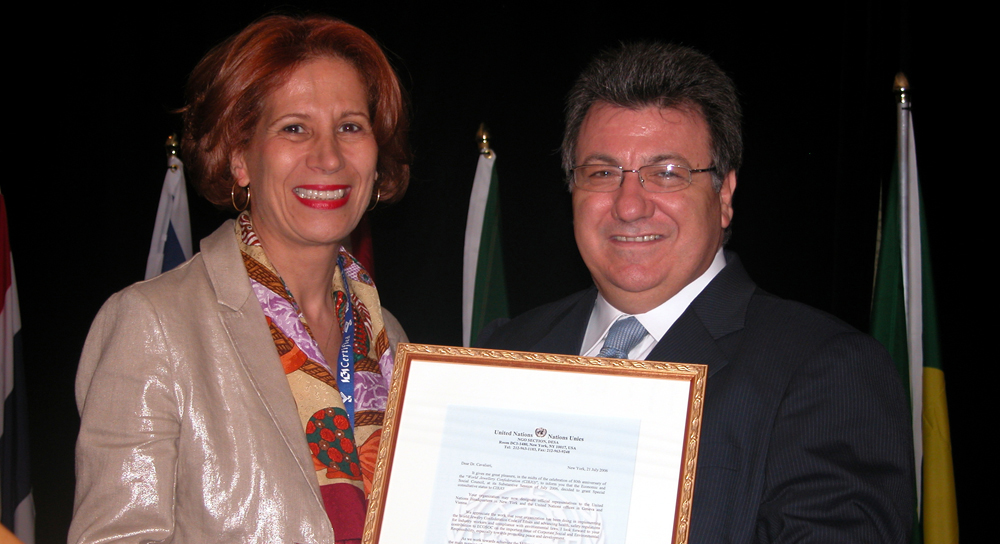
Granted UN ECOSOC consultative status; joins the UN Global Compact.
2008
Establishes the World Jewellery Confederation Education Foundation (WJCEF) to promote CSR and sustainability education.
2011
Drives the establishment by UNITAR in Antwerp of a Centre of Excellence dedicated to CSR education in jewellery and gem sectors.
2013
Launches the Jewellery Industry Greenhouse Gas Measurement Initiative to reduce and offset emissions.
2015 & 2020
Plays a critical role in ISO standards for diamonds: ISO 18323 (2015) and ISO 24016 (2020).